Water Line Trenching in Diamond Bar
A water line is only as good as the trench it sits in. We dig to the right depth, keep the trench tidy and put your yard back together afterward.
- Since 2005
- Open 24 hours, 7 days
Overview
Trenching done with the yard in mind
Trenching is the part of a water line job homeowners see the most. It decides how much of the yard is disturbed, how long the work takes and how the ground settles afterward. A careless trench can leave a sunken line across the lawn for years.
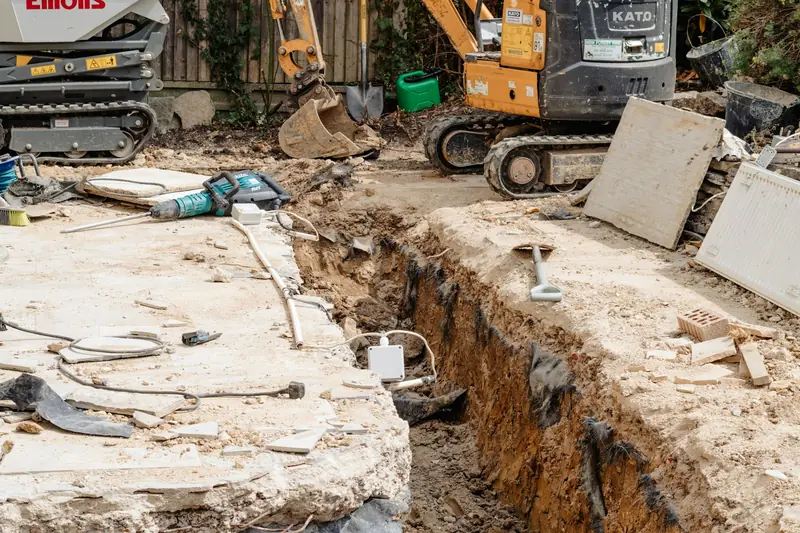
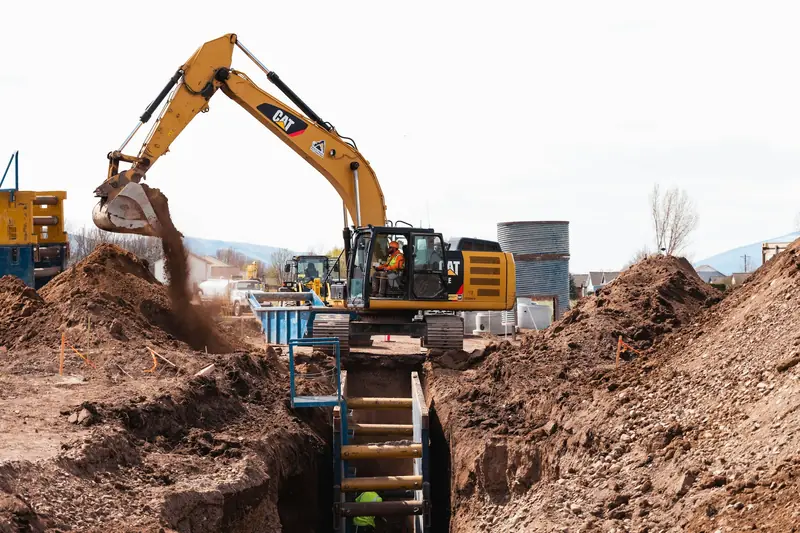
We size each trench to the job: deep enough for the pipe, no wider than it needs to be. On tight lots and sloped yards we pick equipment that fits the space, and we dig by hand near utilities, roots and structures. When the line is in and tested, we backfill in layers and compact the soil so it does not sink later.
Talk to a local pro →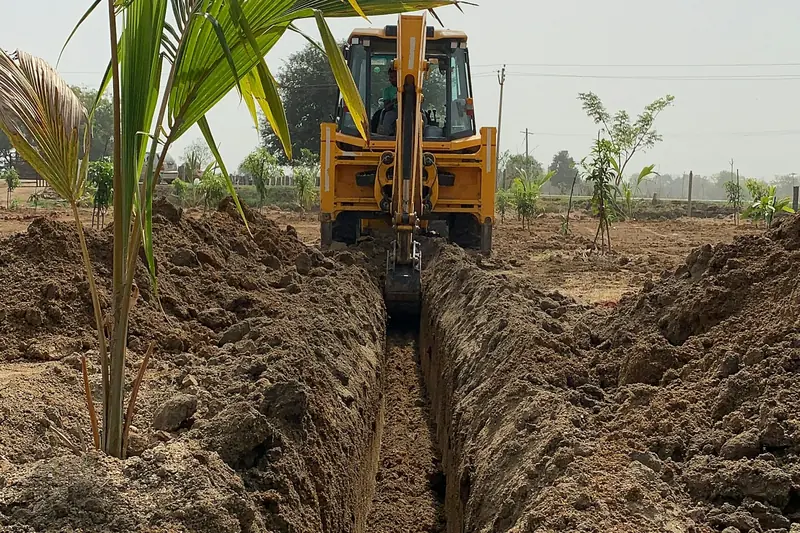
What's included
What our water line trenching covers
Marking utilities
Buried utilities are located and marked before any digging begins.
Right-sized equipment
We use compact machines or hand digging depending on access and space.
Depth control
The trench is dug to the depth the pipe needs for your site.
Bedding for the pipe
The trench floor is prepared so the new line sits evenly.
Layered backfill
Soil goes back in layers and is compacted to reduce settling.
Surface restoration
Topsoil is replaced and the area is cleaned up when the work is done.
Step by step
How our trenching works
Mark and plan
Utilities are marked and the trench route is confirmed with you.
Dig
We excavate along the route, switching to hand digging where needed.
Lay and test
The pipe goes in and is pressure tested while the trench is still open.
Backfill and restore
The trench is filled in layers, compacted and tidied.
Warning signs
Situations that call for careful trenching
Narrow side yards
Tight spaces between the house and a fence need compact equipment or hand work.
Sloped or hillside lots
Grades change how a trench is dug and how it is backfilled.
Clay or expansive soil
Clay soils shift with moisture and need proper compaction afterward.
Mature trees and roots
Digging near large roots takes care to protect both the tree and the pipe.
Planted beds and lawn
Careful digging keeps restoration simple and limits damage to plantings.
Existing utilities
Gas, electric and irrigation lines in the yard require marking and hand digging.
When to call
When trenching is part of the job
Trenching comes into play for nearly every main line replacement, reroute or new line. If you are planning any of those, ask how the trench will be routed and what it means for your yard before work begins.
If an earlier job left a sunken strip across your lawn, a trench was probably backfilled without proper compaction. That is something we pay close attention to on every job.
Talk to a local pro →FAQ
Water Line Trenching questions
How deep will the trench be?
Deep enough for the new line to sit safely below the surface for your site. We confirm the depth during planning.
Will you damage my sprinklers?
We locate irrigation lines where we can and work around them. If a sprinkler line has to be cut, we tell you before the trench is closed.
Can you dig on a steep hillside lot?
Yes. Sloped yards are common in our area, and we plan the route and equipment around the grade.
How long will the trench stay open?
Only as long as it takes to lay the pipe, test it and, where a permit applies, have it inspected. We backfill as soon as those steps are done.
Will my lawn look the same afterward?
The trench is backfilled and compacted, but new sod or seed may be needed to fully blend it in. We will tell you what to expect.
Nearby
Water Line Trenching near you
Water Line Trenching is available in Diamond Bar and nearby cities, including these.
Related
Related water line services
Need a new line trenched in? Call us.
We will talk through the route, the depth and how we restore your yard.